Discover Your Dream Home Without Breaking the Bank
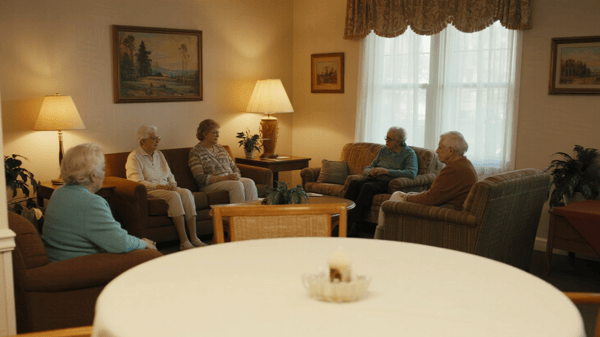
The Growing Demand for Senior Housing
The United States is experiencing a demographic shift. According to the U.S. Census Bureau, by 2030, one in five Americans will be 65 or older. This increase is driving unprecedented demand for senior-friendly housing. In 2024, approximately 56 million Americans were over 65, and this number is expected to surpass 73 million by 2035.
Unfortunately, housing development is not matching pace. A 2025 report by the National Low Income Housing Coalition shows that there are only 35 affordable and available rental homes for every 100 extremely low-income renter households. Seniors—especially those on fixed incomes—are among the most affected.
Example Affordable Senior Apartments and Their Prices
Below is a table listing 10 affordable senior apartments, their locations, price ranges, and highlighted features:
| Apartment Name | Location | Price Range (per month) | Features |
|---|---|---|---|
| Sunshine Senior Living | Los Angeles, CA | $800 – $1,200 | Garden, Fitness Center, Social Activities |
| Harmony Apartments | Phoenix, AZ | $750 – $1,100 | On-site Management, Community Room |
| Lakeside Residence | Orlando, FL | $700 – $1,000 | Pool, Accessible Design, Emergency Call |
| Maplewood Village | Seattle, WA | $900 – $1,300 | Fitness Center, Social Events, Garden |
| Oak Tree Apartments | Austin, TX | $750 – $1,150 | Proximity to Healthcare, Social Activities |
| Riverbend Apartments | Denver, CO | $800 – $1,200 | Community Room, Emergency Call System |
| Greenfield Living | Chicago, IL | $850 – $1,250 | Fitness Center, Garden, Social Events |
| Willow Creek Apartments | Atlanta, GA | $750 – $1,100 | Accessible Design, On-site Management |
| Blue Sky Residences | Miami, FL | $800 – $1,150 | Pool, Garden, Social Activities |
| Mountain View Seniors | Portland, OR | $850 – $1,300 | Fitness Center, Emergency Call, Garden |
Note: Prices are subject to change based on specific community, amenities, and market conditions.
Gathering Essential Documents
The application process for affordable senior housing requires a comprehensive set of documents to verify your eligibility. Having these ready in advance can significantly streamline your application. While specific requirements may vary slightly by program and housing agency, common documents include:
Proof of Identity: Government-issued identification, such as a driver's license, state ID, or passport. Birth certificates are also often required for all household members.
Proof of Age: Birth certificate or other official documents confirming your age.
Proof of Income: This is a critical component. You will need to provide documentation for all sources of income for every household member. This may include:Social Security statementsPension statementsBank statements showing direct depositsTax returns (most recent year)Pay stubs (if applicable)Statements for other public assistance (e.g., SSI, SNAP)
Proof of Assets: Information on all your financial assets, such as:Bank statements for checking and savings accountsStatements for IRAs, 401ks, CDs, stocks, bonds, and mutual fundsInformation on any real estate owned
Proof of Citizenship or Eligible Immigration Status: Relevant immigration documents if you are not a U.S. citizen.
Rental History: Names and addresses of current and previous landlords, along with their contact information, for reference checks.
Medical Expenses (for potential deductions): If you have significant out-of-pocket ongoing medical expenses, some programs may allow these as deductions when calculating your adjusted income. Keep records of these.
Social Security Cards: For all household members.
Organizing these documents in a readily accessible file will make the application process much smoother. Be prepared to provide both original documents for verification and copies for the application file.
Navigating the Application Process
The journey to securing an affordable senior apartment typically involves several steps:
1. Identify Local Public Housing Agencies (PHAs): Your local Public Housing Agency is often the first point of contact for federal programs like Section 8 and public housing. These agencies administer these programs and can provide information on eligibility, open waiting lists, and application procedures. You can find contact information for your local PHA through the HUD website.
2. Contact Specific Affordable Communities: For Section 202 properties or those funded by Low-Income Housing Tax Credits (LIHTC), you will usually apply directly to the management of the specific apartment community. Websites specializing in senior living or affordable housing often list these properties, or you can find them through local non-profit housing organizations. When contacting them, inquire about their specific income requirements, age restrictions, available units, and application process.
3. Submit a Written Application: Whether through a PHA or a specific property, you will need to complete a written application. This form will request detailed information about your household, income, assets, and living situation. Be thorough and accurate. Do not hesitate to ask for assistance from the PHA or community staff if you have questions while filling out the application. Some senior centers or social service agencies also offer application assistance.
4. Prepare for Waitlists: Demand for affordable senior housing often exceeds availability, leading to long waiting lists. It is common for waitlists to be open only periodically. When a waitlist opens, apply as quickly as possible. Applying to multiple waitlists through different PHAs or properties can increase your chances, though be mindful of any local residency requirements. Some programs prioritize applicants based on specific criteria, such as homelessness, disability, or living in substandard housing.
5. Verification and Interviews: Once your name nears the top of a waitlist, the housing agency or property manager will contact you for further verification. This may involve: * Interviews: To discuss your needs and verify information. * Reference Checks: With previous landlords. * Background Checks: Including criminal history. * Credit History Screening: To assess your financial responsibility. * Home Visits: Some PHAs may visit your current home to assess living conditions. * Document Verification: Providing original documents for review.
6. Unit Selection and Lease Signing: If you are deemed eligible and a unit becomes available, you will typically be offered an apartment. For Housing Choice Vouchers (Section 8), you will receive a voucher and then be responsible for finding a landlord willing to accept it. The PHA will need to approve the unit and ensure it meets health and safety standards. Once a unit is selected and approved, you will sign a lease agreement with the housing authority or property management. Be sure to review the lease carefully and understand all terms, including your responsibilities for rent payment (often 30% of your adjusted income), utilities, and community rules.
Important Considerations and Tips
Be Persistent: The process can be lengthy due to high demand. Stay organized, keep copies of all submitted documents, and follow up regularly with the agencies or properties you've applied to.
Understand Rent Calculation: For subsidized housing, your rent is typically calculated as a percentage of your adjusted gross income. Understand how your specific income and deductions will impact your monthly payment.
Check for Open Waitlists: Many PHAs and affordable housing communities only open their waitlists periodically, sometimes for a limited time. Regularly check their websites or call them.
Utilize Local Resources:Eldercare Locator: A national service that connects seniors and caregivers with local resources, including housing.Area Agencies on Aging (AAAs): These local agencies offer information, assistance, and referrals for senior services, including housing.National Council on Aging (NCOA): Provides resources and tools for seniors seeking affordable housing and other financial assistance.Local Senior Centers and Social Workers: Often have up-to-date information on local housing opportunities and can provide personalized guidance.
Beware of Scams: Only work with reputable agencies and housing providers. Never pay for a list of affordable housing or guarantee of a unit.
Accessibility Needs: If you have specific accessibility requirements, clearly communicate them during your application. Many affordable senior living communities are designed with accessible features.
Conclusion: Finding the Right Fit
The search for affordable senior housing can be long, but preparation, research, and persistence can lead to successful outcomes. Whether through subsidized housing programs, independent living facilities, or cohousing communities, seniors have multiple pathways to safe, stable housing. However, planning ahead is crucial. With limited units and growing demand, early application and informed choices are the keys to success.