Redefining Retirement: Modern Senior Living's Evolution
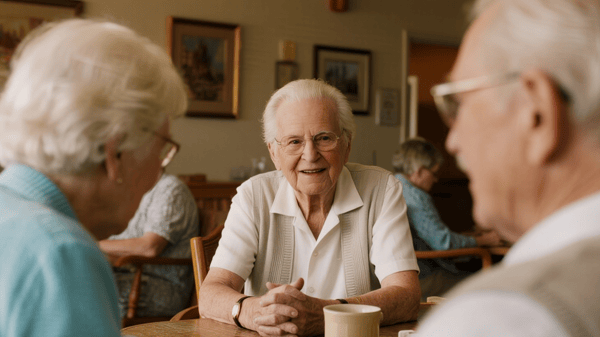
In recent years, the concept of retirement and senior living has experienced a significant transformation, reflecting broader societal changes, technological advancements, and evolving perceptions of aging. No longer viewed solely as a time of decline or withdrawal, today’s senior living communities are emerging as vibrant, dynamic spaces that promote active lifestyles, personal growth, and meaningful engagement. This shift is poised to reshape how society perceives aging and what seniors can expect during this important phase of life.
From Traditional Retirement to Active Living
Historically, retirement meant withdrawing from the workforce and often moving into assisted living facilities or nursing homes that prioritized basic care over lifestyle. In contrast, modern senior living emphasizes independence, wellness, and community. Many seniors now seek environments where they can continue pursuing passions, develop new skills, and maintain social connections. This shift is driven by increased life expectancy, improved healthcare, and a desire for purpose and fulfillment well into later years.
The Role of Technology and Innovation
Technological innovation plays a pivotal role in redefining senior living. Smart home devices, telemedicine, remote health monitoring, and wearable health trackers enable seniors to manage their health proactively, maintain independence, and stay connected with loved ones and healthcare providers from the comfort of their homes. Virtual reality and digital platforms also offer opportunities for social interaction, education, and entertainment, bridging gaps caused by mobility limitations or geographic distance.
Furthermore, data-driven personalized care plans, powered by AI and analytics, ensure that each individual receives tailored support that aligns with their health needs and preferences. This approach enhances quality of life while reducing unnecessary hospital visits and fostering a sense of autonomy.
Community and Lifestyle Focus
Modern senior communities prioritize fostering social bonds and creating environments where residents feel connected and engaged. Shared amenities such as fitness centers, arts and crafts studios, gardens, and cultural events promote active participation. Many communities are designed to facilitate intergenerational interactions, neighborhood involvement, and lifelong learning. These features help combat loneliness and social isolation—common issues among seniors—and encourage a sense of belonging and purpose.
Additionally, wellness programs addressing physical health, mental health, and emotional well-being are integral. Activities like yoga, meditation, nutritional counseling, and cognitive training contribute to holistic health management. There’s also an increasing emphasis on mental stimulation, lifelong learning opportunities, and hobbies that nourish creativity and curiosity.
Designing for Flexibility and Inclusivity
The architecture and design of senior living spaces are evolving to accommodate diverse needs and lifestyles. Aging-in-place strategies, universal design principles, and sustainable building practices ensure that spaces are adaptable, safe, and environmentally responsible. Modular designs and flexible layouts allow residents to personalize their environments as their needs change, facilitating aging in place for longer durations.
Moreover, efforts are being made to make high-quality senior living accessible and affordable, promoting inclusivity. Innovative financing models, public-private partnerships, and policy reforms aim to reduce economic barriers and ensure that all seniors can benefit from modern, enriching environments.
Challenges and the Path Forward
While the evolution of senior living offers exciting prospects, it also presents challenges. Ensuring equitable access, maintaining high safety and care standards, and integrating technology seamlessly into daily life require ongoing effort. Regulatory frameworks must adapt to support innovative models while safeguarding residents’ rights and well-being.
Sustainable development is another critical area. Designing eco-friendly communities that minimize environmental impact aligns with broader global sustainability goals and can reduce operational costs. Additionally, preparing caregivers and staff with advanced training in technology, healthcare, and person-centered care is essential to meet the complex needs of modern seniors.
The Future of Senior Living
Looking ahead, the future of senior living suggests a dissolution of outdated notions of aging. Seniors will increasingly be seen as active participants in society, with opportunities for continuous growth, contribution, and enjoyment. Communities will be more integrated, technologically advanced, and responsive to individual lifestyles and preferences.
This new paradigm celebrates aging as a natural, empowering stage of life—full of potential, connection, and purpose. As society embraces these changes, the collective goal is to create inclusive, innovative, and supportive environments where seniors can thrive physically, emotionally, and socially.
In conclusion, the evolution of senior living exemplifies a societal commitment to honoring older adults with dignity, respect, and opportunity. By redefining retirement as a vibrant phase of life rather than the end of the journey, we pave the way for a more inclusive, compassionate, and dynamic future for all generations.
Senior Rental Housing Costs by Region
| Country | City Classification | Monthly Rental Prices |
| United States | Major cities | $2,000 -$4,000 |
| United States | Smaller cities | $1,000 -$2,000 |
| Australia | Major cities | AUD 2,000 - AUD 3,500 |
| Australia | Smaller cities | AUD 1,200 - AUD 2,000 |
Please note that these price ranges are provided for general information only and reflect values as of October 2025. The data is based on both internal market analysis and external market research reports. Actual rental costs may vary significantly depending on various factors, including the specific region, city, type of housing, available amenities, and local economic conditions.