Understanding Home Renovation in Singapore for Better Living Spaces
Market Overview of Home Renovation in Singapore
Singapore's real estate market remains one of the most dynamic in Southeast Asia, driving a consistent emphasis on interior enhancements that elevate living spaces. The city-state's compact population density and premium property values have increasingly made home renovation an attractive option for residents looking to optimize their living environments. Renovation projects not only serve aesthetic purposes but also contribute to improved functionality and better utilization of limited space. The trends observed reveal a push toward modern designs that blend traditional influences with contemporary comforts. Additionally, an increasing emphasis on sustainability has prompted many homeowners to consider eco-friendly remodeling options that address both environmental concerns and energy efficiency.
Key Considerations for Home Renovation Projects
When planning a home renovation in Singapore, numerous factors merit careful consideration:
• Space Efficiency – Given the compact nature of many Singaporean residences, maximizing each square foot becomes critical. Attention to layout planning, storage solutions, and multi-functional spaces can significantly enhance the usability of the property.
• Lifestyle Needs – Projects often reflect evolving lifestyle demands, whether it is creating dedicated work-from-home areas, enhancing family spaces, or integrating smart home technology. The renovation process frequently incorporates design elements that cater to the specific lifestyle needs of occupants.
• Resale Value – Renovations are often planned with an eye to future property valuation. Quality refurbishments can boost a home's market value, thereby making the investment appealing to both long-term residents and potential buyers.
• Cultural Influences – Design choices sometimes draw on multicultural elements imbued with traditional Singaporean aesthetics. The fusion of Eastern minimalist design with Western modernity offers creative solutions that stand out in interior design trends.
• Time Constraints – Renovation projects inevitably require meticulous scheduling. Factors such as lead times for materials, contractor availability, and the complexity of the project demand a realistic timeline, ensuring minimal disruption to daily routines.
Budgeting and Financial Planning
Home renovation project costs in Singapore can vary widely depending on the scope, quality of materials, and design complexity. Effective budgeting is key to maintaining financial stability while achieving the desired transformation. The budgeting process often involves:
• Detailed Cost Assessment – An itemized list of all renovation components, such as labor, materials, fixtures, and permits, helps in understanding the overall expense. Breaking costs into distinct categories allows for better financial allocation.
• Contingency Planning – Unexpected expenditures can arise during a renovation. Allocating a contingency fund, often around 10% to 20% of the total budget, prepares for unforeseen challenges such as structural issues or delays in material supply.
• Value Engineering – Evaluating alternative materials or design modifications can result in cost savings without compromising quality. This approach can help in balancing aesthetic preferences with budget considerations.
• Payment Structures – Understanding payment milestones, deposits, and invoicing practices assists in maintaining a smooth financial flow throughout the project. Transparent payment schemes ensure that all parties involved have clear expectations regarding project funding.
Regulatory and Permitting Considerations
Singapore is known for its rigorous regulations and guidelines affecting home renovations. Adherence to legal stipulations not only ensures safety but also prevents potential legal complications. Key regulatory aspects include:
• Building and Safety Codes – Renovations must comply with Singapore's stringent building codes, which dictate standards for safety, fire resistance, and structural integrity. Ensuring that renovations meet these requirements is essential for both resident safety and legal compliance.
• Permitting Process – Major renovation projects typically require permits from relevant authorities. This process involves submitting architectural drawings, structural assessments, and other supporting documents. Adequate planning helps ensure that permit applications are complete and meet all regulatory standards.
• Conservation Areas – Properties located within conservation districts may have specific guidelines regarding alterations to external appearances and certain interior features. It is essential to consult with heritage agencies if the property falls within these zones.
• Contractor Certification – Engagement with accredited professionals who are well-versed in local regulations helps prevent potential setbacks. Certified contractors usually provide valuable assistance in navigating the permitting and compliance processes.
Trends and Design Aesthetics in Singapore Home Renovations
Modern Singaporean home renovations are marked by a blend of functionality and style. Several design trends are particularly popular:
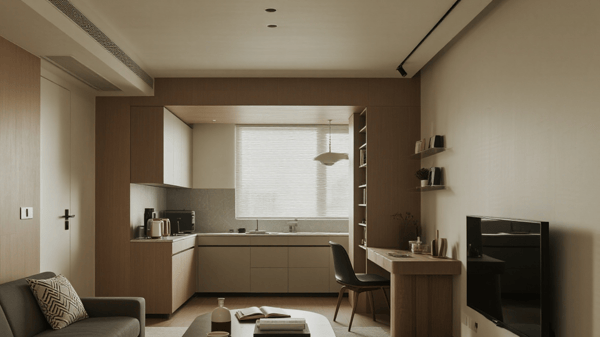
• Minimalist Designs – A minimalist approach with clean lines, neutral color palettes, and uncluttered spaces characterizes many contemporary Singaporean interiors. Minimalism fosters an environment that emphasizes simplicity and functionality.
• Smart Home Integration – With technological innovations becoming more accessible, many renovations incorporate smart home features. Integrated systems for lighting, climate control, and security enhance convenience and energy efficiency while harmonizing with modern design elements.
• Multifunctional Spaces – Especially in compact urban environments, designing spaces that serve multiple purposes is crucial. Home offices that transition into guest rooms or living areas that double as recreational spaces exemplify the demand for adaptable interior design.
• Natural and Sustainable Materials – A growing emphasis on sustainability influences material selection. The use of eco-friendly, recycled, or locally sourced materials aligns with contemporary trends that favor environmental responsibility alongside aesthetic appeal.
Sustainable Renovation Practices
Sustainability in renovation projects has gained significant traction. Eco-conscious design goes beyond aesthetics, incorporating several practical aspects:
• Energy Efficiency – Upgrading insulation, installing energy-efficient lighting, and optimizing natural ventilation can reduce energy consumption over time. Energy-efficient appliances and fixtures contribute to a greener living environment and lower utility costs.
• Water Conservation – Incorporating water-saving fixtures and rainwater harvesting systems supports efficient water usage. Techniques such as low-flow taps and dual-flush toilets help in resource conservation, which is particularly relevant in a country with limited natural water reserves.
• Use of Renewable Materials – Selecting materials with a low environmental impact, such as bamboo flooring or recycled glass countertops, has become a common practice. These choices help reduce the renovation's ecological footprint while lending a distinctive style to the space.
• Waste Management – Effective disposal and recycling of construction waste ensure environmental standards are met during renovation. Waste management plans and recycling initiatives are integral parts of a comprehensive renovation strategy.
Contractor Selection and Project Management
Securing a reputable contractor is paramount for the successful execution of renovation projects in Singapore. The selection process should involve:
• Assessment of Experience – Evaluating past projects, certifications, and client testimonials provides valuable insight into the contractor's reliability and expertise. A proven track record can significantly reduce the risks of project delays or subpar workmanship.
• Transparent Communication – A contractor who clearly outlines project timelines, costs, and methods of operation fosters trust and ensures that the renovation proceeds without misunderstandings. Regular updates on progress keep all parties informed and enable timely problem-solving.
• Contractual Agreements – Detailed contracts outlining the scope of work, payment schedules, and responsibilities help protect the interests of all parties involved. Well-structured agreements contribute to a smoother project flow and provide legal recourse if issues arise.
• Project Supervision – Involving a professional project manager or a trusted third party during construction helps maintain quality control. Regular monitoring ensures that project milestones are met and that any deviations from design plans are addressed promptly.
Managing Disruptions and Ensuring a Smooth Process
Home renovation projects often encounter challenges that require proactive management:
• Clear Communication Channels – Establishing effective communication between all parties, including contractors, designers, and residents, minimizes misunderstandings and ensures prompt resolution of issues as they arise.
• Timeline Flexibility – While adhering to a project schedule is important, building in flexibility to account for unexpected delays can alleviate stress. Minimizing disruptions to daily routines may involve scheduling intensive work during periods when residents are away from the property.
• Regular Progress Reviews – Periodic on-site meetings or progress reports assist in identifying discrepancies early. Keeping track of project milestones provides a structured approach to addressing potential issues.
• Quality Assurance – Implementing quality assurance checks at critical stages of the renovation helps maintain high standards. Ensuring that each phase of work aligns with the set specifications prevents costly rework in later stages.
Final Thoughts
Home renovation in Singapore encompasses a range of considerations from design aesthetics to regulatory compliance. Meticulous planning and budgeting, coupled with a clear understanding of the latest trends and sustainable practices, create the foundation for successful projects. Engaging knowledgeable professionals and adhering to industry best practices pave the way for transformations that not only enhance living spaces but also build long-term value. With a balanced focus on function, style, and sustainability, home renovations in Singapore continue to evolve into projects that meet the diverse needs of modern living while contributing positively to the residential landscape.