Understanding ASC Orthopedic Centers: Enhancing Outpatient Surgical Care
Overview
ASC orthopedic facilities represent a dedicated branch of outpatient healthcare centers focused on treating musculoskeletal conditions through surgical and non-surgical interventions. These centers are designed to deliver specialized orthopedic care within a streamlined, outpatient setting. This approach allows patients to benefit from focused expertise in musculoskeletal procedures without the extended hospital stays typically associated with inpatient surgeries. ASC orthopedic facilities are known for their high efficiency, modern infrastructure, and commitment to maintaining rigorous safety standards while managing a wide array of orthopedic conditions.
Scope of Orthopedic Procedures
A broad range of orthopedic procedures is available in ASC settings. Many centers focus on minimally invasive techniques, including arthroscopic joint surgeries, ligament repairs, and cartilage restoration interventions. Procedures such as arthroscopy for diagnosing and treating joint problems, soft tissue repairs, and small bone fracture fixations are commonly performed. The emphasis on minimally invasive techniques results in reduced tissue trauma, less postoperative pain, and a quicker return to routine activities. Moreover, improvements in imaging technology and surgical instrumentation have significantly enhanced outcomes for various orthopedic interventions within these facilities.
Beyond traditional procedures, ASC orthopedic facilities also play a role in advanced elective surgeries targeting specific patient groups. Procedures addressing common sports-related injuries, age-related degenerative conditions, and complex joint issues benefit from improved visualization and precise surgical techniques. The efficiency and concentrated competency found in these centers are crucial in managing patient expectations and ensuring timely and effective treatment plans.
State-of-the-Art Facilities and Technology
ASC orthopedic centers are typically outfitted with the latest medical technology to support precise surgical interventions. Modern imaging systems, including high-resolution digital fluoroscopy and advanced ultrasound devices, assist surgeons in real-time navigation during procedures. The integration of computer-assisted surgical tools allows for enhanced precision in implant placement and tissue alignment, ultimately contributing to improved surgical outcomes.
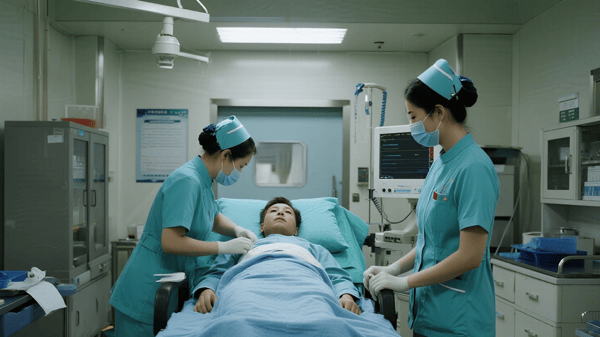
Emphasizing a patient-centered design, these centers often incorporate ergonomic operating rooms that optimize both the patient experience and the surgical workflow. Sterile environments with controlled air quality, along with strict infection control protocols, preserve the highest care standards. High-definition video systems used during arthroscopy provide both the surgical team and the patient with clear visual documentation, which can be helpful during postoperative consultations. Additionally, digital patient monitoring systems ensure that critical health metrics are continuously tracked during procedures, enhancing overall safety.
Patient Safety and Quality of Care
Patient safety remains paramount in ASC orthopedic settings. The centers are subject to rigorous accreditation processes and quality assurance audits, ensuring that operational protocols meet or exceed established healthcare standards. Precise assessment protocols are established prior to procedures, with comprehensive preoperative evaluations ensuring that individual health risks are minimized during surgery.
Infection control measures are stringently applied through preoperative sterilization procedures, validated processing of surgical instruments, and meticulously designed clinical workflows that minimize cross-contamination risks. Facility staff are continuously trained in the latest patient safety protocols and emergency response procedures, reducing the likelihood of complications. Furthermore, detailed postoperative monitoring and clear discharge guidelines empower patients to continue recovery in a safe environment, with a focus on early detection of any unexpected issues.
Efficiency and Cost Effectiveness
ASC orthopedic facilities are recognized for their efficiency, offering a cost-effective alternative to inpatient surgeries without compromising quality of care. Streamlined administrative processes lead to reduced procedural times and shorter recovery periods, which help minimize operating costs. A focused environment dedicated solely to outpatient procedures often results in less scheduling pressure and enhanced accessibility for patients needing timely treatment.
The cost efficiency associated with ASC orthopedic care is further evidenced by reduced facility fees and lower overhead expenses. When compared to hospital-based orthopedics, the investment in facility resources and support services is optimized to deliver comparable, if not superior, medical outcomes. The reduced financial burden for patients is particularly attractive for those with elective conditions, ensuring that essential care remains both accessible and affordable across diverse populations.
Recovery, Rehabilitation, and Follow-Up
Postoperative care in an ASC orthopedic context is designed to optimize recovery and accelerate the return to normal activities. Tailored rehabilitation programs are often initiated shortly after the procedure, focusing on pain management, joint mobility, and muscle strengthening. The emphasis on early mobilization is critical for minimizing complications such as joint stiffness and muscle atrophy.
In many cases, coordinated care pathways ensure that patients receive detailed discharge instructions, including pain management strategies and activity restrictions. The consistency in follow-up procedures provides a clear framework for monitoring patient progress, and scheduled appointments allow for early intervention if any issues arise. Collaboration with physical therapists and rehabilitation specialists plays a vital role in offering personalized recovery strategies. These strategies aim not only to restore functional movement but also to empower patients with the tools needed for long-term health and injury prevention.
Managing Complex Orthopedic Conditions
Advanced ASC orthopedic centers often extend their services to manage complex orthopedic conditions that traditionally required hospital inpatient care. With the advent of enhanced pain management protocols and state-of-the-art monitoring equipment, many complex procedures, such as revision surgeries or bilateral joint work, can now be performed safely on an outpatient basis.
Patients diagnosed with multifaceted musculoskeletal issues benefit from these centers by accessing dedicated teams with specialized orthopedic expertise. Preoperative planning often includes multimodal imaging, individualized risk assessments, and tailored surgical protocols that address the unique challenges of complex cases. The focused environment provided by ASC orthopedic centers facilitates a detailed evaluation of potential surgical strategies, enhancing both safety and the overall effectiveness of the intervention.
Impact on the Healthcare System and Future Trends
The evolution of ASC orthopedic facilities has had a profound impact on the broader healthcare system. By shifting many procedures from hospital-based settings to specialized outpatient centers, significant reductions in inpatient costs have been realized. This transition has also helped decongest hospital emergency rooms and inpatient wards, allowing for more focused attention on acute care needs.
From an industry viewpoint, the continued migration of orthopedic surgeries to outpatient settings is expected to drive innovation. Enhanced data analytics, robotics-assisted surgeries, and adaptive imaging technologies are becoming increasingly integrated into ASC workflows. These technological advancements promise even greater precision in surgical procedures while further reducing recovery times and complication rates. The implementation of artificial intelligence in diagnostic imaging and preoperative planning could usher in a new era of personalized orthopedic care, ensuring that treatment plans are meticulously tailored to individual patient profiles.
Future trends highlight a growing emphasis on integrated care pathways, where multidisciplinary teams coordinate preoperative, intraoperative, and postoperative care. The emphasis on seamless patient transitions—supported by robust electronic health records—ensures that comprehensive care extends beyond the procedure itself. As healthcare systems continue to innovate, ASC orthopedic centers are likely to adopt new methods of patient engagement, including virtual consultations, remote monitoring during recovery, and enhanced patient education platforms. These developments are expected to create a more holistic and connected healthcare experience, reinforcing the benefits of outpatient orthopedic interventions.
Integration of Precision Medicine in Orthopedic Care
The field of orthopedic care in ASC settings is increasingly exploring avenues for the integration of precision medicine. With the advent of genetic profiling and biomarker analysis, the possibility of tailoring surgical interventions and rehabilitation programs to a patient’s unique biological profile is growing. Such an approach allows for the customization of surgical techniques and postoperative recovery protocols based on individual healing capacities and risk factors.
By incorporating precision medicine insights, ASC orthopedic centers are positioned to enhance patient satisfaction while reducing the incidence of complications. Early research and pilot programs indicate that such personalized methods could lead to shorter recovery intervals and further improvements in overall procedural outcomes. Implementing these approaches requires an ongoing commitment to clinical research and collaboration with academic institutions, ensuring that emerging practices are grounded in robust scientific evidence.
Conclusion
ASC orthopedic facilities offer a focused, modern approach to managing musculoskeletal conditions with a strong emphasis on efficiency, safety, and patient outcomes. Through the combination of specialized surgical expertise, state-of-the-art technology, and comprehensive postoperative care, these centers provide a viable alternative to traditional inpatient procedures. As the healthcare landscape continues to evolve, ASC orthopedic centers are poised to play an increasingly critical role in shaping a future that emphasizes precision, cost effectiveness, and transformative patient care.