Understanding Spider Vein Removal: Benefits and What to Expect
What Are Spider Veins?
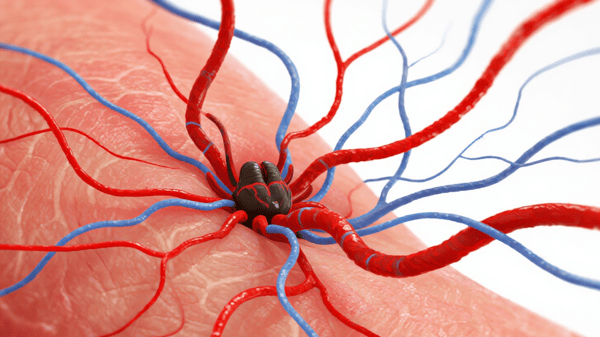
Spider veins are small, dilated blood vessels that appear close to the surface of the skin. Often characterized by a network of red, blue, or purple lines, these veins tend to emerge on the legs and face. Although typically harmless and painless, their appearance has led many individuals to seek treatment primarily for aesthetic reasons. Spider vein removal clinics offer a range of procedures designed to diminish or eliminate these unsightly markings, restoring a smoother, more even skin tone.
Causes and Contributing Factors
Spider veins develop when the valves in the small, superficial veins malfunction, causing blood to pool rather than flow efficiently back to the heart. Several factors may contribute to this malfunction:
• Genetics play a significant role, with a family history of vascular issues often predisposing individuals to spider veins.
• Hormonal influences, such as those during pregnancy or hormone replacement therapy, can weaken vein walls and valves.
• Lifestyle elements, including prolonged periods of standing or sitting, may hinder proper blood circulation and increase venous pressure.
• Environmental factors such as exposure to heat and ultraviolet light can also contribute to vein dilation.
• Age-related changes in the vascular system naturally reduce elasticity and valve integrity, making spider veins more common with advancing years.
Understanding these contributing factors can help guide the decision to pursue treatment and encourage appropriate lifestyle modifications that may reduce further vascular issues.
Procedures Performed at a Spider Vein Removal Clinic
Spider vein removal clinics offer a variety of treatment options, each tailored to the specifics of the individual case. Two of the most commonly employed procedures are sclerotherapy and laser therapy.
• Sclerotherapy involves injecting a solution into the affected vein, which irritates the vessel walls and causes them to collapse and stick together. Over time, the treated vein turns into scar tissue and fades from view. This method is highly effective for small to medium-sized spider veins, and multiple sessions may be necessary for optimal results.
• Laser therapy employs targeted light energy to heat and close off the affected veins. This treatment is particularly useful for patients with delicate areas or for those who prefer a non-invasive approach. The laser energy causes the vein to collapse, and natural processes eventually absorb the treated vessel.
• Other techniques, such as radiofrequency ablation, are sometimes explored, especially in cases where larger underlying veins contribute to the appearance of spider veins. This method uses heat generated by radiofrequency energy to remove problematic veins safely.
While each procedure offers benefits and varying degrees of invasiveness, the choice of treatment depends on factors such as the size, number, and location of the veins, as well as the patient’s skin type and overall health.
The Spider Vein Removal Procedure: What to Expect
Before any procedure begins, a thorough consultation is typically conducted to assess the condition, medical history, and treatment goals. During this consultation, clinicians may use imaging techniques to map the venous network and identify any underlying varicose veins that might require concurrent treatment.
On the day of the procedure, a topical anesthetic is often applied to minimize discomfort, especially in sensitive areas. In sclerotherapy, a fine needle is used to inject the solution directly into the vein. Patients might experience a slight burning sensation, but discomfort is usually minimal and transient. With laser therapy, a handheld device delivers pulses of light to the surface of the skin, targeting the pigmented blood vessels. Often, treatments are completed in a single session; however, multiple sessions spaced several weeks apart may be recommended to ensure comprehensive results.
Immediately following the procedure, a compression garment may be worn to assist with the healing process by reducing swelling and promoting proper blood flow. The technique selected usually dictates the specific aftercare recommendations, which emphasizes the importance of closely following clinical advice to maximize the treatment’s effectiveness.
Post-Treatment Care and Recovery
Following spider vein removal, adherence to post-treatment guidelines is critical for optimal recovery. Compression stockings or garments are commonly advised to improve circulation and reduce swelling. Patients are typically encouraged to avoid strenuous physical activities, extreme temperatures, and prolonged periods of immobility for a specified duration after treatment. Elevating the treated limbs and engaging in gentle movement can also facilitate healing.
It is important to note that while minor bruising or swelling may occur, these side effects generally resolve within a few days to weeks. Any unusual symptoms such as extensive pain or signs of infection should be promptly addressed by a medical professional. Consistent follow-up appointments offer an opportunity to monitor progress and address any lingering concerns or aesthetic refinements.
Safety Considerations and Potential Side Effects
Spider vein removal procedures have a high success rate when executed correctly, yet, as with any medical intervention, there are inherent risks. Possible side effects include minor bruising, redness, and temporary sensitivity at the treatment site. In some cases, the development of small, raised, red bumps known as hyperpigmentation can occur. These side effects are usually transient and well-managed through proper post-treatment care and regular follow-up consultations.
The procedures provided at specialized clinics are performed by trained professionals who adhere to rigorous safety protocols. Prior to treatment, thorough screenings typically determine whether candidates are appropriate for the procedure. It is essential that patients understand both the benefits and risks associated with each treatment option to make informed decisions regarding their vascular health and aesthetic outcomes.
Factors to Consider When Selecting a Spider Vein Removal Clinic
Choosing the right clinic is an integral part of achieving satisfactory treatment outcomes. Prospective patients should consider several criteria when evaluating clinics for spider vein removal:
• Certification and Experience: Clinics with certified professionals and demonstrable experience in managing vascular conditions are likely to offer higher quality care. Learning about the provider’s background and reviewing case studies can provide insight into their expertise with spider vein treatments.
• Patient Reviews and Testimonials: Feedback from previous patients can offer perspectives on treatment efficacy, patient safety, and overall satisfaction. Independent review platforms and medical rating systems may serve as reliable resources.
• Range of Treatment Options: Clinics that provide a comprehensive array of treatment methods, including both sclerotherapy and laser therapy, may better tailor care to the individual needs of patients.
• Personalized Consultation Process: Quality clinics typically offer thorough consultations that include detailed assessments and clear explanations of treatment plans. Effective communication ensures that treatment options, potential outcomes, and risks are clearly understood before proceeding.
• Post-Treatment Support: A clinic that emphasizes comprehensive aftercare and maintains flexible follow-up arrangements can play a crucial role in ensuring long-term satisfaction with the procedure.
The Value of Professional Guidance in Vascular Treatments
Expert guidance during spider vein removal is essential to achieving optimal results. Professionals in the field provide an evidence-based approach to treatment selection and post-procedure care. Their expertise ensures that treatment plans are customized to the specific clinical presentation of each case. This methodical approach minimizes risks, promotes faster recovery, and results in improved aesthetic outcomes.
Frequently Asked Questions
• What is the typical duration of a spider vein removal session?
Treatment sessions often range from 30 minutes to one hour, though the overall duration depends on the extent and location of the spider veins.
• How many sessions might be necessary?
The number of sessions required varies; some cases may achieve desired results in a single session, while others may need several treatments spaced a few weeks apart.
• Is spider vein removal painful?
Most procedures are well tolerated with only mild discomfort, thanks to the use of topical anesthetics and advanced techniques that minimize pain.
• What is the long-term outlook after treatment?
Many patients experience lasting improvements; however, interventions do not address the underlying cause of vein weakening. Maintaining a healthy lifestyle and periodic follow-ups can help manage any recurrence.
Conclusion
Spider vein removal clinics offer a range of safe and effective treatments tailored to meet individual aesthetic and medical needs. With a strong emphasis on personalized care, these clinics deploy advanced techniques such as sclerotherapy and laser therapy to address the cosmetic and physical manifestations of superficial venous issues. A comprehensive consultation combined with expert guidance is instrumental in ensuring successful outcomes. By understanding the underlying causes, available treatment options, and the importance of high-quality post-treatment care, individuals can make informed decisions that contribute to both improved appearance and enhanced vascular health.