Running Multiple Systems? Here’s Why You’re Losing Money
Understanding Cloud ERP in Singapore
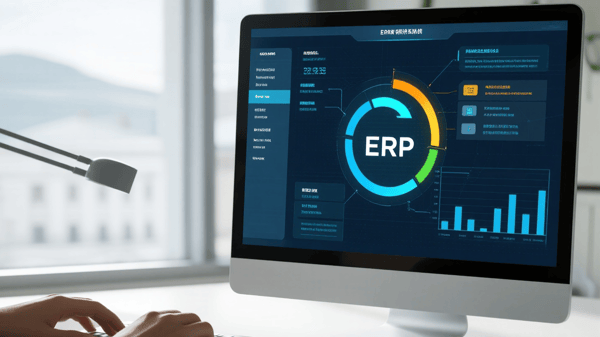
As businesses in Singapore increasingly adopt digital solutions, cloud Enterprise Resource Planning (ERP) systems have become pivotal in streamlining operations and reducing costs. Cloud ERP systems integrate various business functions into a single platform, enhancing efficiency and data accuracy. This integration is especially important considering the significant costs associated with running multiple disparate systems. Without an integrated system, businesses face issues such as data entry errors, inefficiencies, and fragmented reporting.
Cost Implications of Running Multiple Systems
The expense of operating multiple systems is not only financial but also operational. Multiple systems can significantly slow down business efficiency due to lack of integration, which results in wasted time and increased costs from duplicated tasks. This inefficiency is compounded by the fragmentation of data, making it difficult for businesses to offer seamless customer service or make informed decisions in real-time.
Moreover, complex licensing arrangements and maintenance costs further escalate expenses. Legacy systems, which may be part of a multi-system setup, also require regular updates to prevent security vulnerabilities and ensure compliance, both of which add to operational costs. Additionally, there’s a human impact where frustration from inefficient systems can lead to decreased employee morale and higher turnover rates.
Adopting a Unified ERP System
Implementing a single ERP system can drastically reduce operational challenges and costs compared to running multiple isolated systems. A unified ERP framework consolidates software solutions, providing immediate cost savings and enhancing business processes. Such systems streamline operations by centralizing data, reducing inefficiencies associated with navigating multiple platforms, and facilitating real-time reporting. As opposed to standalone systems, ERP systems maintain data integrity by minimizing errors, therefore, enhancing decision-making, customer satisfaction, and employee productivity.
Financial Benefits of Cloud-Based ERP
For businesses in Singapore, cloud-based ERP solutions offer a cost-effective alternative with lower initial setup costs than traditional on-premise systems. These cloud solutions employ subscription-based pricing, allowing businesses flexible scalability according to their needs, but they also come with ongoing subscription fees to consider. Despite these costs, companies often experience significant savings in administrative and operational domains by consolidating their systems under one cloud-based platform, which results in less managerial complexity and more focus on core business activities.
The Role of Strategic Modernization
To mitigate the cost implications associated with multiple outdated systems, businesses must invest in modern cloud ERP systems. By migrating from legacy systems to cloud solutions, companies can reduce vulnerabilities to cyber threats and operational inefficiencies while reallocating funds towards innovation. Additionally, a modernized approach supports better governance and compliance, reducing the risk of regulatory fines and enhancing overall business performance.
Why You Should Learn More About Cloud ERP in Singapore Today
Embracing cloud ERP systems offers businesses in Singapore an opportunity to streamline operations, mitigate the financial burdens of running outdated systems, and enhance their competitive edge. By implementing a modernized ERP system, companies can improve data accuracy, employee productivity, and overall efficiency while reducing costs associated with maintaining multiple systems. Businesses seeking to optimize their operational workflows and financial management should consider cloud ERP solutions to leverage the benefits of digital transformation. An integrated approach can lead to significant cost efficiencies and improved strategic outcomes.