Exploring Game Design Master's Programs in 2025: A Comprehensive Guide
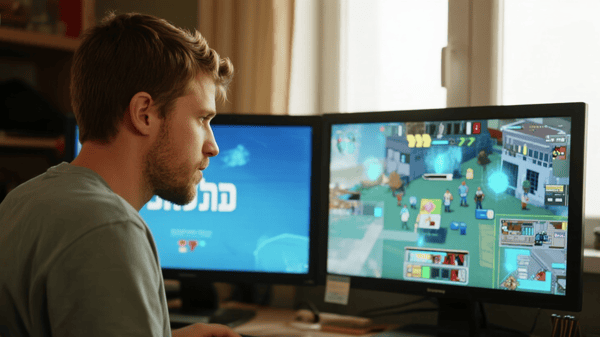
Evaluating and Selecting a Game Design Master's Program
Choosing the right master's program is crucial for your development as a game designer. Consider these key factors:
Specialization: Do you envision yourself specializing in level design, narrative design, game mechanics, or perhaps technical game design? Some programs offer specialized tracks, allowing you to hone your skills in a specific area. Research program curricula and faculty expertise to align with your interests.
Faculty: Look for programs with experienced faculty who have a strong background in the games industry. Their practical insights and industry connections can be invaluable.
Curriculum: A robust curriculum should blend theoretical knowledge with practical application. Look for programs offering hands-on projects, game jams, and opportunities to collaborate with other students.
Technology and Resources: Access to state-of-the-art software, game engines, and hardware is essential. Inquire about the program's facilities and the availability of resources like motion capture studios or VR/AR labs.
Portfolio Development: A strong portfolio is your ticket to landing a job in the games industry. Choose a program that emphasizes portfolio development and provides opportunities to showcase your work.
Long-Term Considerations
Pursuing a master's degree requires significant investment, so consider these long-term factors:
Cost and Funding: Tuition fees, living expenses, and other costs can add up. Explore scholarship opportunities, assistantships, and financial aid options.
Career Prospects: Research the job market and potential career paths for game designers. Networking and internships can significantly enhance your job prospects after graduation.
Continuing Education: The game industry is constantly evolving. Be prepared to engage in continuous learning and professional development throughout your career.
Location and Networking: Consider the location of the program and its proximity to game development studios. Networking opportunities and industry events can be crucial for career advancement.
Comparing Program Types
Feature Traditional M.A./M.S. Professional M.F.A.
Focus Theory and Research Practical Application and Portfolio
Typical Duration 1-2 Years 2-3 Years
Career Paths Academia, Research, Design Game Design, Development Roles
FAQ: Frequently Asked Questions
What is the typical salary for a game designer?
Salaries vary based on experience, location, and company, but the average game designer salary can range from $60,000 to $120,000+ per year.
Do I need a bachelor's degree in game design to apply for a master's program?
While a related bachelor's degree can be helpful, some programs accept applicants with other backgrounds if they demonstrate strong aptitude and relevant experience.
What software should I learn before starting a game design master's program?
Familiarity with game engines like Unity or Unreal Engine, as well as 2D/3D modeling software, is beneficial.
How important is a portfolio for getting a job after graduation?
A strong portfolio showcasing your skills and creativity is crucial for landing a job in the competitive game industry. It's often more important than your GPA.
What are some common career paths for game design graduates?
Graduates can pursue roles such as Level Designer, Narrative Designer, Game Systems Designer, Technical Designer, or even move into leadership positions like Lead Designer or Creative Director.
Disclaimer: Salary information provided is based on industry averages and may vary. It's essential to conduct thorough research for specific roles and locations.
Sources
This expanded section now brings the total character count within the #description_start# and
Key Takeaways:
Carefully evaluate program specializations, faculty, curriculum, and resources when choosing a game design master's program.
Consider long-term factors like cost, career prospects, and continuing education needs.
Develop a strong portfolio showcasing your skills and creativity.
Networking and internships are crucial for career success in the game industry.