Understanding Hair Transplant Options: A Comprehensive Guide for 2025
Navigating the World of Hair Transplants
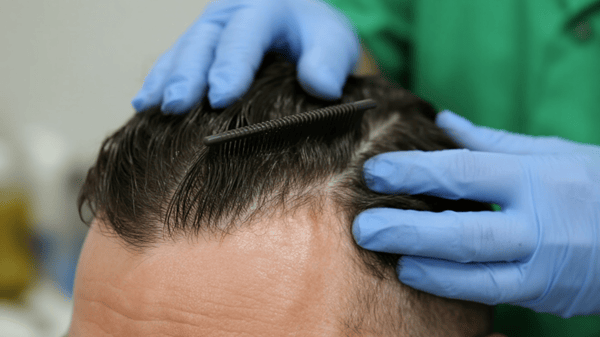
Hair transplantation involves moving hair follicles from a donor area (usually the back or sides of the head) to a recipient area experiencing hair loss. The success of a hair transplant depends on several factors, including the chosen technique, the surgeon's expertise, and the individual's hair characteristics.
Understanding Different Hair Transplant Techniques
Several techniques exist for hair transplantation, each with its own advantages and disadvantages. The two primary methods are Follicular Unit Transplantation (FUT) and Follicular Unit Extraction (FUE).
Follicular Unit Transplantation (FUT)
FUT, also known as strip harvesting, involves removing a strip of scalp from the donor area. The strip is then dissected into individual follicular units (naturally occurring groupings of one to four hairs) under a microscope. These units are then implanted into the recipient area.
Advantages: Typically yields a higher number of grafts in a single session, potentially more cost-effective for extensive hair loss, and a long-established and well-understood technique.
Disadvantages: Leaves a linear scar in the donor area, longer recovery time compared to FUE, and may be more uncomfortable post-operatively.
Example: A patient with significant hair loss across the entire top of their head might benefit from FUT due to the ability to harvest a large number of grafts. The linear scar can often be concealed with properly styled hair.
Follicular Unit Extraction (FUE)
FUE involves extracting individual follicular units directly from the donor area using a small punch tool. This eliminates the need for a strip excision and the subsequent linear scar.
Advantages: Leaves only tiny, dot-like scars in the donor area, faster recovery time, less post-operative discomfort, and allows for harvesting from different body areas (body hair transplant or BHT).
Disadvantages: Can be more time-consuming and expensive than FUT, may require multiple sessions to achieve the desired density, and the yield of grafts might be lower compared to FUT.
Example: A patient who prefers to wear their hair short might choose FUE to avoid a visible linear scar. Athletes may also favor FUE due to the faster recovery time.
Direct Hair Implantation (DHI)
DHI is a variation of FUE where a specialized pen-like tool is used to both extract and implant the hair follicles simultaneously. This technique aims to minimize the time the follicles are outside the body, potentially improving graft survival rates.
Advantages: Potentially higher graft survival rate, less bleeding during implantation, precise placement of grafts.
Disadvantages: Can be more expensive than traditional FUE, requires specialized training and expertise, not suitable for all hair types.
Example: Individuals seeking a high level of precision and minimal trauma to the scalp might consider DHI.
Robotic Hair Transplantation
Robotic hair transplantation utilizes robotic arms and advanced imaging technology to assist in the FUE process. The robot can identify and extract follicular units with greater precision and speed than manual extraction.
Advantages: Increased speed and precision in graft extraction, potentially reducing damage to follicular units, consistency in graft quality.
Disadvantages: High initial cost, limited availability, still requires a skilled surgeon to oversee the procedure and perform the implantation.
Example: Patients seeking the most advanced technology and potentially faster extraction times might explore robotic hair transplantation.
Choosing the Right Hair Transplant Technique: A Step-by-Step Guide
Selecting the most appropriate hair transplant technique depends on several individual factors. Here's a guide to help you navigate the decision-making process:
1. Assess Your Hair Loss: Determine the extent and pattern of your hair loss. The Norwood Scale is a common tool used to classify male pattern baldness. Similarly, the Ludwig scale is used for women. Understanding your stage of hair loss will help determine the number of grafts needed.
2. Evaluate Your Donor Area: The quality and density of hair in your donor area are crucial for a successful transplant. A surgeon will assess the donor area to determine if there is enough hair to cover the balding areas. Consider the density in terms of hairs per square centimeter. A good donor area will have high density, allowing for maximum extraction without visible thinning.
3. Consider Your Lifestyle: Active individuals might prefer FUE due to the faster recovery time and minimal scarring. Individuals who wear their hair very short should also consider FUE to avoid a visible linear scar. Your lifestyle also affects post-operative care; can you dedicate time to healing and follow-up appointments?
4. Set Realistic Expectations: Hair transplantation can significantly improve hair density and appearance, but it's important to have realistic expectations. The transplanted hair will grow naturally and blend with your existing hair, but it won't completely restore a full head of hair. Discuss your goals with the surgeon and understand the limitations of the procedure.
5. Consult with a Qualified Surgeon: This is the most crucial step. A skilled and experienced surgeon can assess your individual needs, recommend the most appropriate technique, and provide realistic expectations. Look for a surgeon who is board-certified and has extensive experience in hair transplantation.
6. Discuss Potential Risks and Complications: Every surgical procedure carries potential risks. Discuss potential complications such as infection, bleeding, scarring, and poor graft survival with your surgeon. Understanding the risks will help you make an informed decision.
7. Consider the Cost: Hair transplant costs vary depending on the technique, the number of grafts required, and the surgeon's fees. Obtain quotes from several surgeons and compare the costs. Consider financing options if needed.
Other Important Considerations
Hair Characteristics: The texture, color, and curl of your hair can influence the outcome of the transplant. Coarse, curly hair provides better coverage than fine, straight hair.
Scalp Laxity: Scalp laxity refers to the looseness or elasticity of your scalp. Individuals with good scalp laxity are better candidates for FUT, as the strip of scalp can be removed more easily.
Underlying Medical Conditions: Certain medical conditions, such as autoimmune diseases, can affect the success of a hair transplant. It is important to disclose any underlying medical conditions to your surgeon.
Maintenance and Ownership Costs After Hair Transplant
While hair transplantation offers a long-term solution for hair loss, it's important to understand the ongoing maintenance and potential costs associated with maintaining the transplanted hair.
Post-Operative Care
Proper post-operative care is essential for ensuring the survival and growth of the transplanted hair follicles. This typically involves:
Medications: Your surgeon may prescribe antibiotics to prevent infection and pain relievers to manage discomfort. Finasteride (Propecia) and Minoxidil (Rogaine) are often recommended to prevent further hair loss and promote the growth of existing hair. These medications can have ongoing costs, ranging from $20 to $100 per month depending on the brand and dosage.
Special Shampoos and Conditioners: Your surgeon may recommend specific shampoos and conditioners that are gentle on the scalp and promote hair growth. These products can cost between $10 and $50 per bottle.
Follow-Up Appointments: Regular follow-up appointments with your surgeon are necessary to monitor the progress of the transplanted hair and address any concerns. These appointments may incur additional costs.
Avoiding Strenuous Activities: For the first few weeks after the procedure, it's important to avoid strenuous activities that could put stress on the scalp.
Sun Protection: Protecting the scalp from sun exposure is crucial, as sunburn can damage the transplanted hair follicles. Wear a hat or use sunscreen on the scalp.
Long-Term Maintenance
In addition to post-operative care, long-term maintenance is important for preserving the results of your hair transplant.
Continuing Medications: Finasteride and Minoxidil are often continued long-term to prevent further hair loss and maintain the density of existing hair. The costs associated with these medications can add up over time.
Supplements: Some individuals choose to take hair growth supplements, such as biotin and saw palmetto, to support hair health. The effectiveness of these supplements varies, and they can add to the overall cost of maintenance.
Lifestyle Factors: Maintaining a healthy lifestyle, including a balanced diet, regular exercise, and stress management, can contribute to hair health.
Touch-Up Procedures: In some cases, a touch-up procedure may be necessary to address thinning or bald spots that develop over time. The cost of a touch-up procedure will depend on the number of grafts required.
Microneedling: Microneedling is a procedure that involves creating tiny punctures in the scalp to stimulate collagen production and promote hair growth. It can be used as a maintenance treatment to enhance the results of a hair transplant. Costs vary widely, but often range from $100-$500 per session.
Understanding Hidden Costs
Beyond the initial cost of the hair transplant and the ongoing maintenance, there are other potential costs to consider.
Travel and Accommodation: If you choose to travel to a different city or country for your hair transplant, you'll need to factor in the costs of travel, accommodation, and meals.
Lost Wages: You may need to take time off work to recover from the procedure, which can result in lost wages.
Complications: While rare, complications can occur after a hair transplant, requiring additional medical treatment and expenses.
Product Costs: Special shampoos, conditioners, and styling products recommended by the surgeon. The cost can be $50-$150 per month.
Summary: Key Insights for Considering Hair Transplantation
Hair transplantation can be a life-changing procedure for individuals experiencing hair loss. By understanding the different techniques, considering individual factors, and setting realistic expectations, you can make an informed decision about whether hair transplantation is right for you.
Key Tips for Making Informed Decisions:
Research Different Techniques: Understand the advantages and disadvantages of FUT, FUE, DHI, and robotic hair transplantation.
Consult with Multiple Surgeons: Obtain consultations from several qualified surgeons to get different perspectives and recommendations.
Assess Your Donor Area: Ensure you have a sufficient and healthy donor area to provide enough grafts for the desired coverage.
Set Realistic Expectations: Understand that hair transplantation can improve hair density and appearance, but it won't completely restore a full head of hair.
Factor in Maintenance Costs: Account for the ongoing costs of medications, supplements, and potential touch-up procedures.
Prioritize Surgeon Experience: Choose a board-certified surgeon with extensive experience in hair transplantation. Don't base decisions solely on price; expertise is paramount.
Consider Long-Term Lifestyle Compatibility: Choose a procedure and maintenance plan that aligns with your long-term lifestyle and personal preferences.
By carefully considering these factors, you can navigate the world of hair transplantation with confidence and achieve the best possible results.
This guide provides a comprehensive overview of hair transplant procedures in 2025, covering techniques like FUT, FUE, and DHI, and highlighting the importance of considering individual factors, donor area assessment, and realistic expectations. It also delves into the maintenance and ownership costs associated with hair transplants, including post-operative care, long-term medication, and potential touch-up procedures. Remember to research different techniques, consult with multiple surgeons, and prioritize surgeon experience for the best possible outcome.