New Lasers for Skin Rejuvenation: Revolutionizing Laser Skin Resurfacing
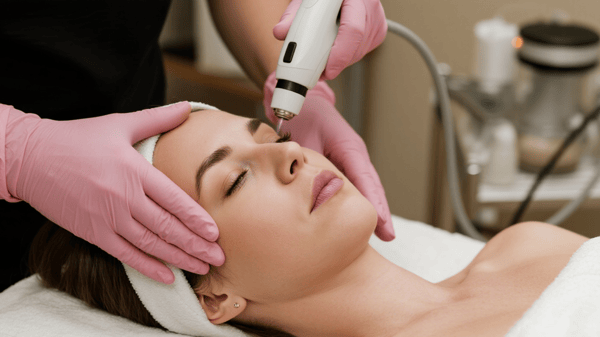
The Evolution of Laser Skin Resurfacing
Laser skin resurfacing has evolved significantly from the early use of carbon dioxide (CO2) lasers. Traditional lasers, though effective, required longer recovery times and often caused discomfort. Today’s lasers, such as fractional CO2 lasers, erbium lasers, and non-ablative lasers, offer more targeted treatments with minimal downtime, making them safer and more accessible to a wider range of patients.
These lasers stimulate collagen production, promote cell turnover, and reduce the appearance of fine lines, wrinkles, scars, and pigmentation irregularities. The goal is to improve skin health, texture, and overall appearance without the need for invasive surgery.
What Skin Types Can Benefit from Laser Skin Treatment?
Laser skin rejuvenation can be suitable for many skin types, but the type of laser chosen depends on the individual's skin condition, tone, and concerns. Here’s a breakdown of which skin types can benefit the most from laser treatment:
1. Fair to Medium Skin Types (Fitzpatrick Types I-III):
Laser treatments work exceptionally well for individuals with lighter skin tones. These skin types tend to respond better to many laser treatments, including CO2 and erbium lasers, without the risk of hyperpigmentation (darkening of the skin). People with fair to medium skin types typically see faster and more noticeable results.
2. Darker Skin Tones (Fitzpatrick Types IV-VI):
Darker skin tones require careful consideration when selecting a laser treatment. While some modern lasers, such as non-ablative lasers and fractional CO2 lasers, can safely treat darker skin, it's important to choose the right technology to minimize the risk of pigmentation changes or scarring. Lasers like the picosecond laser or fractional YAG laser are often safer options for darker skin tones.
3. Sensitive Skin:
For individuals with sensitive skin, non-ablative lasers, which work beneath the surface of the skin without removing the outer layers, are often preferred. These lasers are gentler and cause less irritation compared to ablative lasers. Non-ablative lasers are great for treating issues such as mild wrinkles, fine lines, and early signs of aging without causing unnecessary redness or discomfort.
4. Oily or Acne-Prone Skin:
Laser resurfacing treatments, especially fractional CO2 lasers, can help individuals with oily or acne-prone skin. By targeting and removing damaged skin layers, these lasers help to reduce clogged pores, minimize acne scars, and improve overall skin texture. Non-ablative lasers are also a great option for those suffering from acne scars or active acne, as they promote collagen production while leaving the skin intact.
Common Skin Concerns Addressed by Laser Skin Treatments
Laser skin rejuvenation is beneficial for a wide range of skin issues, including:
1. Fine Lines and Wrinkles:
Laser resurfacing stimulates collagen production, which helps improve skin elasticity and reduce the appearance of fine lines and wrinkles. Fractional CO2 lasers and erbium lasers are particularly effective in treating deeper wrinkles and fine lines caused by aging or sun exposure.
2. Pigmentation Issues (Age Spots, Sunspots, Melasma):
Laser treatments, particularly pico lasers and fractional YAG lasers, target pigment in the skin, helping to break up melanin and improve skin tone. This is especially useful for individuals with age spots, sunspots, and melasma caused by sun exposure or hormonal changes.
3. Acne Scars:
Fractional lasers are commonly used to treat acne scars. By removing layers of damaged skin and stimulating collagen production, these lasers help to smooth out the appearance of scars, whether they are deep or shallow. Non-ablative lasers can also be effective in treating active acne, reducing inflammation and preventing new breakouts.
4. Uneven Skin Texture:
Laser skin resurfacing improves skin texture by promoting the regeneration of healthy skin cells. Whether the issue is rough skin due to sun damage, acne scars, or general aging, laser treatments help restore a smoother, more even skin surface.
5. Sagging Skin:
Non-ablative lasers, such as fractional YAG and erbium lasers, can also help tighten sagging skin. These lasers penetrate deep into the dermis, stimulating collagen and elastin production, which helps to firm and lift areas of the face, especially around the eyes, mouth, and jawline.
Types of New Lasers for Skin Rejuvenation
1. Fractional CO2 Lasers:
Fractional CO2 lasers offer excellent results for deep wrinkles, scars, and sun damage. By treating only a fraction of the skin's surface at a time, these lasers allow for faster healing compared to traditional CO2 lasers, making them ideal for a range of skin types.
2. Erbium Lasers:
Erbium lasers are effective in treating superficial skin issues such as fine lines, pigmentation, and age spots. They work by removing damaged skin layers while encouraging the skin’s natural healing process.
3. Non-Ablative Lasers:
Non-ablative lasers, such as fractional YAG lasers, target the deeper layers of the skin without removing the outer layer. These lasers are ideal for treating fine lines, wrinkles, sagging skin, and pigmentation without requiring significant downtime.
4. Pico Lasers:
Pico lasers use picosecond pulses to target pigment and skin imperfections. This advanced laser technology is particularly effective for treating sunspots, age spots, and tattoos, offering quick recovery times and minimal discomfort.
What to Expect During and After Treatment
Laser treatments usually take between 30 minutes and an hour, depending on the area being treated. Topical numbing cream or cooling gel is often applied before the procedure to minimize discomfort. After the treatment, patients may experience some redness, swelling, or mild irritation, which typically subsides within a few hours to a few days.
Recovery time varies depending on the type of laser used. For more invasive lasers like fractional CO2, some redness and peeling may occur for several days. Non-ablative lasers typically offer quicker recovery, with many patients returning to their normal activities within 1–2 days.
Final Thoughts
Laser skin rejuvenation is an effective, non-invasive way to address a variety of skin concerns, from fine lines and wrinkles to pigmentation issues and acne scars. With advancements in laser technology, patients can enjoy faster recovery times and better results than ever before. However, it's essential to consult with a licensed dermatologist to determine which laser treatment is best for your skin type and concerns.